
Winter roofing problems rarely start with a dramatic leak. Most begin quietly, with a thin line of ice at the roof edge that keeps growing. Homeowners in Halifax often notice it too late, when water stains show up on ceilings or insulation gets soaked. The ice dams are not only one of the most frequent cold-weather roofing problems, but the good news is that they can be prevented.
This guide explains what causes ice dams, why they are risky for both sloped and flat roofs, and the practical steps homeowners can take to reduce the chances of damage this winter.
What Is Ice Damming and Why Does It Happen?
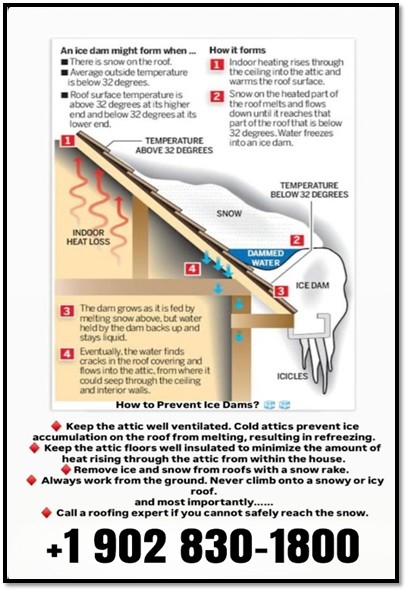
Ice damming happens when heat escapes through the roof, melting snow unevenly. Melted water runs down toward colder roof edges, freezes again, and forms a ridge of ice. Water then backs up behind that ridge and finds its way under shingles or roofing membranes.
According to building science research from cold-climate regions, poor attic insulation and weak ventilation are two of the biggest contributors to ice dam formation. Homes in coastal areas like Halifax face extra risk because of freeze-thaw cycles and heavy, wet snow.
Common causes include:
- Warm air is leaking into the attic
- Uneven roof temperatures
- Blocked or insufficient ventilation
- Heavy snowfall followed by mild daytime temperatures
Flat roofs are especially vulnerable because water drains more slowly. That is why many homeowners look for flat roof experts Halifax residents trust when winter approaches.
Early Warning Signs Homeowners Should Watch
Ice dams rarely appear overnight. Small clues usually show up first.
Watch for:
Large icicles are forming along the roof edges
- Ice buildup in gutters
- Water stains near exterior walls
- Snow is melting unevenly across the roof
- Dripping water during cold weather
Spotting these early can prevent expensive repairs later. A small amount of ice today can turn into interior water damage within days.
How to Prevent Ice Dams Before Winter Hits
Prevention works best when several small improvements are combined. Roofing professionals often follow a layered approach.
1. Improve Attic Insulation
Heat escaping from living spaces is the main driver of ice damming. Insulation is necessary to prevent loss of warm air to the exterior of the house by heating the roof surface
Key areas to check:
- Attic floors
- Around light fixtures
- Plumbing and vent penetrations
- Hatch doors and access panels
Even small air leaks make a difference during freezing weather.
2. Maintain Proper Ventilation
The cold air must circulate in the attic. Soffit vents and Ridge vents are used to maintain uniform roof temperatures, which decreases the number of times the roof melts and also refreezes.
A balanced ventilation system:
- Prevents warm spots
- Reduces moisture buildup
- Extends roof life
Many Halifax Flat Roofing professionals recommend annual ventilation checks before winter starts.
3. Keep Roof Edges and Drains Clear
The snow and debris cover drainages, particularly flat roofs. Ice is formed at a greater rate when there is no water to escape.
Practical maintenance steps:
- Remove leaves before snowfall
- Check drains and scuppers
- Clear heavy snow safely when possible
Professional snow removal may be necessary for larger or commercial flat roofs.
4. Address Roof Problems Early
Small roofing issues become serious during winter. Sloppy flashing, old membranes or small cracks permit water to flow through after the formation of ice.
Homeowners often wait until spring for repairs, but winter damage usually starts months earlier. A quick inspection in late fall can prevent major costs later.
When Small Issues Become Expensive
Roofers across Nova Scotia regularly see homes with similar patterns. One recent case involved a flat roof where minor drainage issues caused standing water. After repeated freeze-thaw cycles, ice buildup pushed water beneath the membrane. Interior repairs ended up costing more than the original roofing maintenance would have.
The takeaway is simple. Prevention is cheaper than restoration, especially in cold climates.
Ice Dam Prevention Steps at Home
Use this as a quick reference:
Check attic insulation and seal air leaks
- Ensure vents are open and balanced
- Clean gutters and roof drains
- Schedule a seasonal roof inspection
- Remove excess snow safely when needed
These small actions reduce risk dramatically.
Prevent Ice Damage Before Winter Hits
Ice dams are not just a winter inconvenience. They can shorten roof lifespan, damage insulation, and lead to expensive interior repairs. Maintaining it, ventilating it, and checking it early enough are the most significant difference-makers.
Homeowners who stay proactive usually avoid the worst winter roofing problems, and when professional help is needed, working with experienced local specialists like Central Roofing ensures the roof is ready for Halifax’s toughest weather
Worried about legit sites? 999phlcomlegit is the real deal! Secure and trustworthy, that’s what I’m talking about! Bet safe at 999phlcomlegit.
Heading to Asia online? hm88asia has all the local favorites. A great selection and easy to navigate. Join the fun at hm88asia.
Yo, kg88bet is pretty legit. Been playing here for a while, and the payouts are quick. Good selection of games too. Give it a shot! Check it out here: kg88bet
Spin tayo mga ka-wais! Baka sa pk777slot tayo yumaman! Cross fingers!
Easy login is a must for me. If m777casinologin delivers on that, I’m in! Gonna give it a shot. Here’s the link: m777casinologin
Betsson is a name I’ve heard before. Finally checking out what all the fuss is about. Maybe I’ll get lucky today. Explore it here: betsson
Logged into ovo88login the other day. The login process was super smooth and easy. The site itself is okay, not amazing, but definitely functional. Check it out ovo88login.
Inspin777 sounds exciting. I love spinning those reels, so this might be right up my alley. I hope the spins are lucky ones! inspin777
Rushbetmx, cool name! Let’s see if the experience is as exciting as it sounds. Ready to jump in and see what happens. Someone has to win! rushbetmx
The discussion of “Stop Ice Damming Before It Damages Your Halifax Roof | Central Roofing” makes the main point easier to follow, especially because it connects the subject to details readers can recognize on the page. The explanation stays focused without losing the practical context. For anyone comparing related information, animal face type may also be a useful reference to keep alongside this article.
Finally found a reliable link that actually works without any glitches. The interface is very user friendly for Filipinos. Highly recommend pkjililink
The graphics are stunning and the gameplay is very fair. I had a huge win last night and the withdrawal was instant. Visit 777richjililogin now.
Really enjoying the current promotions! It feels like the house actually wants us to win here. I’m sticking with 888gjgame for a long time.
[961]Lv88 – Link vào trang chủ và tải app nổ hũ đổi thưởng,Truy cập lv88 để trải nghiệm game nổ hũ đổi thưởng hấp dẫn. Hướng dẫn cách chơi baccarat online và nạp tiền qua Momo nhanh chóng. Đăng ký tham gia ngay! visit: lv88
I’ve tried a few sites lately but this one is definitely the smoothest. The login process is fast and the games load instantly. Highly recommend panalo888login for anyone looking for a reliable spot.
[7561]Super Scatter login at APK download | legit slots Gcash,Mag-super scatter login na para sa legit online slots gcash. I-download ang APK at alamin din kung paano maglaro ng baccarat. Sali na at mag-enjoy! visit: super scatter
The VIP treatment here is the real deal. The exclusive offers are great and the overall experience is very premium. I am staying with 50jilivip
Really impressed with the user interface. Everything is so easy to find and the loading speed is top notch. Love phaaajili7!
Love the graphics and the overall vibe of the platform. Had a great winning streak on phjiligo88 last night!
Quick deposits and even quicker withdrawals. That is all I care about and this site nails it perfectly. Go check z777gamelogin right now.
Honestly, I’ve tried a few sites recently but this one is surprisingly smooth. The payouts are fair and the games load fast. Definitely my new favorite spot! Check it out at gbo303slot
Honestly the best experience I’ve had in a while. The games are super addictive and everything loads instantly. Love the vibe here at ph711jili
A very professional setup with transparent terms and conditions. I feel safe depositing my funds here knowing everything is legit. Cheers to idboga88.
If you are looking for a reliable place to play then look no further. The customer support is top notch and the variety is amazing. Love okadaplayonline
The graphics are top notch and the gameplay is super intuitive. It is honestly the best way to relax after work. Visit pksx777game to see what I mean.
A solid choice for anyone who loves the casino vibe from home. Everything is organized perfectly and the wins feel rewarding. Big thumbs up for kcwincasino.
I really appreciate how straightforward the registration is. No unnecessary hoops to jump through, just pure gaming action. bdbetbat
Easy registration and an even easier login process. I love that I can jump straight into the action without any hassle at nike88login.
[4066]cv99 লগইন ও অ্যাপ ডাউনলোড | সেরা অনলাইন স্লট গেম সাইট,cv99-এ সহজে লগইন করুন এবং অ্যাপ ডাউনলোড করে লাইভ ক্যাসিনো খেলার নিয়ম জানুন। বিকাশ দিয়ে অনলাইন ক্যাসিনো ডিপোজিট করে আজই গেম শুরু করুন। visit: cv99
Finally found a reliable login link that actually works without any lag. Everything is running great on 1xjililogin.
I’ve tried a few different sites recently but this one feels the most secure. The customer support is also quite responsive which gives me peace of mind while using vnc188.
Feeling lucky today! The bonuses here are actually generous and easy to claim. I am definitely staying with luckybet7game for a long time.
My go to spot for late night slot spins. The graphics load instantly and I never noticed any lag even during peak hours. I love how they rotate their daily promotions because there is always a new way to boost my bankroll. Withdrawals are handled quickly and the team treats every player with respect. 777mmkslot
I felt like I had some real luck today! The platform is very user-friendly even for beginners. I will definitely be returning to pklucky93game very soon.
Logging in is a breeze and the account management is very straightforward. No stress and no hassle at x555comlogin. Keep it up guys.
I’ve tried many sites but this one feels the most secure. Withdrawal is quick and easy without any hidden fees. Go to vnxx88n and see for yourself.
I have played at quite a few casinos over the years and trust is usually my biggest concern. This site keeps things straightforward with transparent rules and genuinely fast cashouts. The dashboard is intuitive and I never feel lost when trying to claim my rewards. It is refreshing to find operators who actually put player satisfaction first. hvn123
Just hit a decent jackpot and the withdrawal was processed in no time. This place is legit and trustworthy. Visit phlwinnerph now!
Finally found a safe place to get the game. The download was fast and the installation was a breeze. Thanks to batpkrgamedownload.
The game variety here is just amazing. I spent hours exploring different options and everything works perfectly on my phone. Love the vibe at br27g!
The bonuses are top notch and the registration process was a breeze. I am really enjoying the vibe here. phtaya666 is my new favorite spot.
The framing matches how the situation actually presents itself. The cost of getting it wrong early is worth weighing before starting.
The constant freeze-thaw cycles out here in Halifax really do a number on roofs during the winter. Checking attic insulation and ventilation before that heavy, wet snow hits is definitely a lifesaver.
Dealing with freeze-thaw cycles here in Halifax is always a headache for our roof. Upgrading our attic insulation last year made a huge difference with ice dams, so this is definitely a timely reminder before winter really hits!
The freeze-thaw cycles here in Halifax really are brutal on older roofs. Adding extra insulation to our attic space a couple of years ago completely stopped the massive icicles we used to get every January.
The freeze-thaw cycles we get here in Halifax really do make ice dams a constant headache. Upgrading our attic insulation made a huge difference last winter—definitely worth dealing with before the heavy snow hits!
Great reminder about checking attic insulation and ventilation before the heavy snow hits. Halifax winters have so many freeze-thaw cycles that ice dams can get out of hand fast if you don’t catch the early warning signs.
Dealing with freeze-thaw cycles around Halifax is always a headache for roofing. Improving our attic insulation and clearing out the gutters before the first big snow made a massive difference for us last winter!
Finally found a platform that doesn’t lag during peak hours. The interface at ph68jllogin is super intuitive and easy to navigate.
I have tried dozens of platforms but this one keeps me coming back for the sheer quality of service. The live dealer tables feel incredibly authentic and the chat feature makes me feel connected to the action. Deposits and cashouts are handled with a smile every single time. Trust me when I say you will fall in love with this place hb88comvn
The freeze-thaw cycles around here make ice dams such a headache every winter. Checking attic insulation and clearing the gutters before the first heavy snowfall has definitely saved our roof from costly water damage in the past.
Super honest platform with transparent rules. I had a big win last night and the withdrawal was processed almost instantly at vngoo88d.
Great reminder to check attic insulation and ventilation before the heavy snow hits. We had an ice dam cause ceiling leaks a couple of winters ago, and it is definitely an expensive headache worth preventing!
Dealing with ice dams during the winter is such a headache, especially with our constant freeze-thaw cycles here on the coast. Checking attic insulation and clearing the gutters before the heavy snow hits really does make a huge difference.
Dealing with ice dams in the Maritimes is always a headache with our constant freeze-thaw cycles. Improving our attic insulation and sealing air leaks really made a huge difference for our roof last winter.
[8177]Casombie লগইন এবং অ্যাপ ডাউনলোড | বিকাশ অনলাইন ক্যাসিনো,casombie লগইন করে সেরা অনলাইন স্লট গেম এবং লাইভ ক্যাসিনো বোনাস অফার উপভোগ করুন। বিকাশ দিয়ে অনলাইন ক্যাসিনো ডিপোজিট করে আজই খেলা শুরু করুন। visit: casombie
Great reminder to check attic insulation and ventilation before the heavy snow hits. Halifax’s constant freeze-thaw cycles make ice dams such a headache if you don’t catch them early.
Great reminder about checking attic ventilation before winter really sets in. Halifax’s constant freeze-thaw cycles can be brutal, and repairing water damage from an ice dam is definitely something you only want to experience once.
The constant freeze-thaw cycles around Halifax make ice dams such a nightmare every winter. Checking attic insulation and ventilation before the first heavy snowfall really is the best way to avoid costly leaks.
Living in Nova Scotia, the freeze-thaw cycles really do a number on our roofs every winter. Checking attic insulation and clearing the gutters early definitely saves a lot of headaches later on!
Great reminder to check attic insulation before the freeze-thaw cycles really kick in this winter. Dealt with an ice dam a couple of years ago, and repairing the soaked ceiling was definitely not cheap!
The freeze-thaw cycles around here really do a number on roofs. I didn’t realize poor attic insulation was such a big culprit behind ice dams until we dealt with a leak a couple of winters ago. Definitely a good reminder to get the ventilation checked before the heavy snow hits!
The APK is super stable and the loading times are minimal. It feels like a premium casino in my pocket. Check out hannonlinecasinoapk.
Dealing with the constant freeze-thaw cycles around Halifax is always tough on roofs. Improving our attic insulation and clearing the gutters before the first snow really made a huge difference for us last winter.
The constant freeze-thaw cycles here in Nova Scotia really do a number on gutters and rooflines. Upgrading our attic insulation made a massive difference in stopping those massive icicles from forming every winter.
Dealing with ice dams can be such a nightmare once winter kicks into full gear. Checking your attic insulation and airflow ahead of time really makes a huge difference!
The freeze-thaw cycles here in Halifax make ice dams such a headache every winter. I didn’t realize how much poor attic ventilation played into the problem until reading this—definitely going to inspect my insulation before the next big snowfall.
Dealing with freeze-thaw cycles in Halifax is always tough on gutters and shingles. Making sure your attic is properly insulated and sealed before the heavy snow hits really makes a world of difference in preventing those nasty leaks.
The freeze-thaw cycles around Halifax make ice dams such a headache every winter. Upgrading our attic insulation made a huge difference for our roof a couple of years ago—definitely worth checking before the heavy snow hits!
I’ve been looking for a reliable spot to play and this one really hits the mark. The interface is smooth and the payouts are fair. Definitely check out c186game if you want a stress-free experience.
Living through Halifax winters, the freeze-thaw cycles really do a number on gutters and roof edges. Improving our attic insulation last year made a huge difference in stopping those massive icicles from forming. Great reminder to check ventilation before the heavy snow hits!
Great reminder as winter approaches! Those coastal freeze-thaw cycles around Halifax are brutal, and improving our attic ventilation was the only thing that finally stopped ice dams from forming on our roof.
[418]Istana189: Login, Daftar dan Slot Gacor Deposit Dana,Istana189 memudahkan anda login dan daftar untuk akses slot gacor deposit dana serta download apk slot terpercaya. Yuk, mulai main casino online sekarang. visit: istana189
Great advice, especially regarding attic insulation and ventilation. Our Halifax winters are notorious for those constant freeze-thaw cycles, so addressing heat loss before heavy snow hits really is the best way to protect your roof.
Great tips on catching the warning signs early! The freeze-thaw cycles around Halifax can be brutal, so making sure attic insulation and ventilation are sorted before the heavy snow hits really saves a lot of headaches.
Coastal freeze-thaw cycles create a tricky boundary case where flat roof membranes meet low-slope shingles, and while seeing how the [[LINK]] conditional trigger thresholds got me thinking about system limits, what is the exact indoor-to-outdoor temperature differential where passive soffit ventilation completely fails to stop ice ridges?
I tried sealing the warm air bypasses in my attic last November after noticing uneven snow melting right above our eaves. While taking a breather between insulation passes, I was reading this [[LINK]] to sort out my gear stats, but tackling those hidden draft spots early genuinely saved my roof from any ice ridge buildup once the coastal freeze-thaw cycles kicked in.
I have been searching for a reliable casino platform and finally found my go to spot. The game selection is huge and withdrawals happen within hours. Love the daily promotions and how friendly the staff are when I need help. A solid choice for both newbies and veterans alike. 777d
I tried sealing the attic bypasses myself after noticing that telltale thin line of ice building along my roof edge last December. As a student juggling home maintenance and finals, using [[LINK]] kept my academic targets organized so roof repairs didn’t wreck my semester.
I’ve been looking for a reliable place to play and this site really delivers. The interface is smooth and the payouts are fair. Definitely checking out pk97gameonline more often!
That thin line of ice at the roof edge is easy to miss, so a beginner should start by checking attic insulation and soffit vents for warm air leaks before winter arrives. Much like reviewing [[LINK]] to plan early-stage defense, catching these draft issues early keeps melted snow from backing up under your shingles.
Really impressed with the bonus offers here. It gave me a great head start when I first signed up. The slots are fair and the graphics are top notch. Give abjilicasino a try if you love big wins!
Gotta say, Multibet88slot caught my eye. The slot selection is pretty wide, something for everyone. Payouts seem fair enough, and haven’t had any issues so far. Could definitely become a regular spot. See what I mean multibet88slot.
The fan page explains how to play, controls, and browser requirements. 20558ec1.
The combination of music and progression keeps play varied. 3ca9ce8b.